
The Wonders of the Periodic Table Element – Protactinium

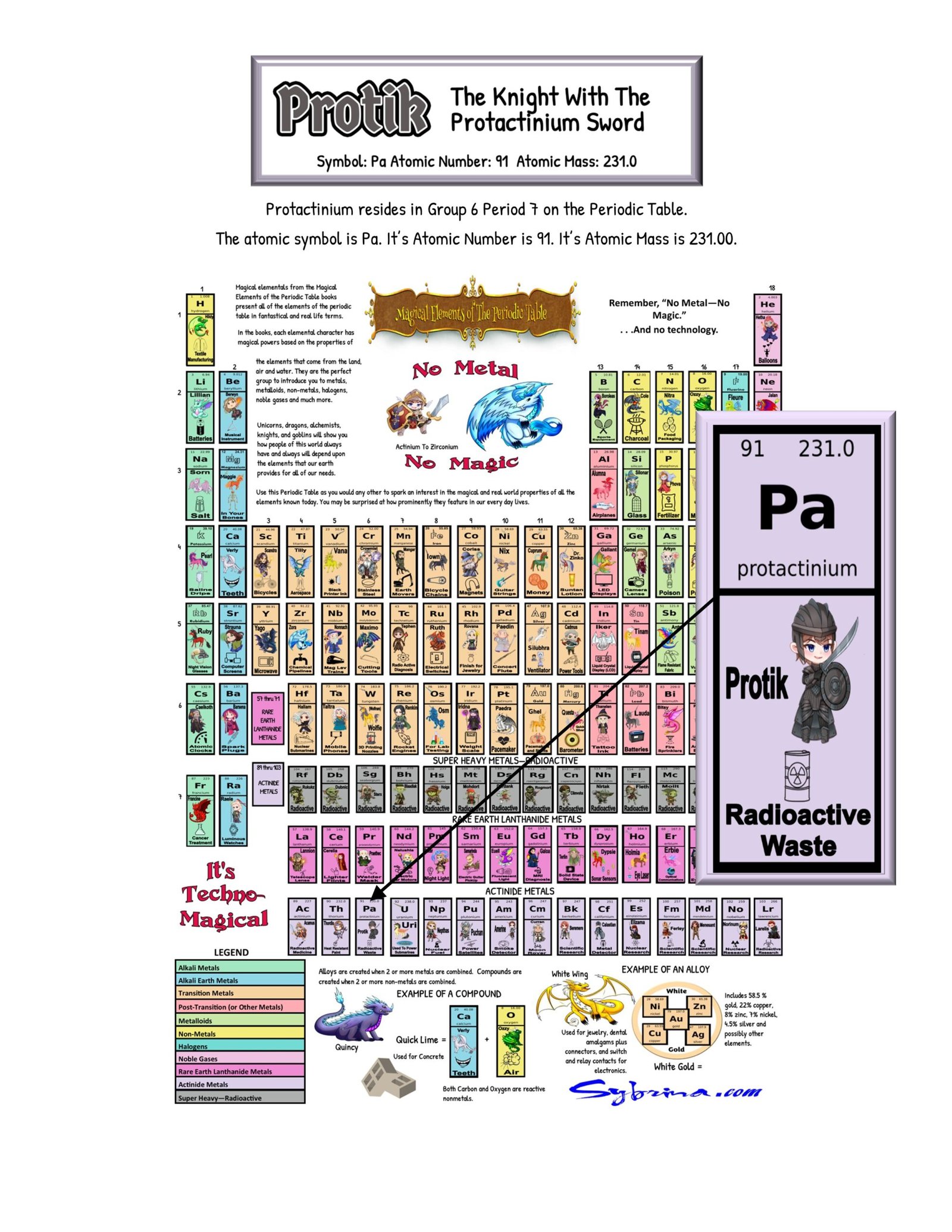
Nestled within the complex arrangement of the periodic table, right next to uranium, lies a fascinating and notorious element: plutonium. Its atomic number is 94, and it bears the symbol Pu. But what makes plutonium so special? To start, plutonium is a man-made element, born out of humankind’s relentless pursuit of knowledge and power, a blend of science and ambition that has shaped the modern world in both awe-inspiring and terrifying ways.
Plutonium was discovered in 1940 at the University of California, Berkeley, by a team of scientists led by Edwin McMillan and Philip H. Abelson. They created this radioactive element by bombarding uranium with deuterons, a type of hydrogen nucleus. The name “plutonium” was chosen to honor Pluto, the then-ninth planet in our solar system. This choice was fitting; like the distant planet, plutonium was elusive and mysterious. Its discovery marked the beginning of a new era in nuclear chemistry, one that would profoundly impact warfare, energy, and science as a whole.
As the 1940s progressed, scientific curiosity rapidly morphed into a quest for power. Plutonium-239, one of its isotopes, was soon identified as suitable for use in atomic bombs. In fact, the infamous Fat Man bomb dropped on Nagasaki in August 1945 was fueled by plutonium. This marked a moment in history when the element transformed from abstract scientific pursuit into a weapon of immense destruction, changing the course of nations and humanity itself.
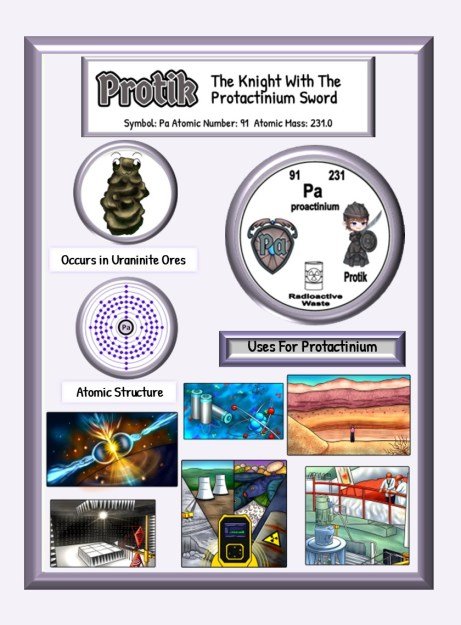
Fast forward to today, plutonium still holds its ground in a myriad of applications, albeit mostly under a tight lid of regulation and caution. While its role in nuclear weapons is well-known, its use is not limited to destruction. Plutonium is also utilized in the realm of nuclear energy, primarily as fuel in nuclear reactors. The most efficient reactors can convert plutonium into energy, producing nuclear fuel that helps generate electricity for countless households. It serves a crucial role in certain types of fast breeder reactors, which can produce more fissile material than they consume.
Plutonium can be found in some specialized radioisotope thermoelectric generators (RTGs) used in space exploration. For instance, the Mars Curiosity Rover and the Voyager spacecraft utilize plutonium to power themselves in environments where solar power is not viable. These applications underline plutonium’s dual nature: it has the power to illuminate our homes and our universe.
As researchers delve deeper into the mysteries of nuclear science, the future uses of plutonium are an area of great speculation and promise. Its position in the periodic table—an actinide—indicates it belongs to a group of elements that could hold the keys to advanced technologies.
One exciting potential lies in nuclear fusion research. Although fusion remains a topic thick with challenges, the quest for sustainable energy drives scientists to explore every avenue, including how actinides like plutonium could be manipulated in fusion processes. Furthermore, advanced reactor designs and nuclear waste recycling techniques may pave the way for the safe use of plutonium in energy generation, reducing dependency on fossil fuels and contributing to a cleaner planet.
As humanity continues to seek solutions to our energy crisis, plutonium could be harnessed in emerging technologies that promise increased safety and efficiency. Imagine futuristic power plants where nuclear energy is coupled with cutting-edge safety mechanisms, allowing elements like plutonium to be integrated responsibly into everyday life.
The story of plutonium doesn’t end with its scientific applications; it is laden with intrigue, conflict, and ethical questions. As we marvel at its capabilities, we must also confront the responsibilities that come with harnessing such extraordinary power. The legacy of plutonium is as much about caution as it is about innovation, warning us of the fine line between creation and destruction.
Plutonium is often referred to as a “poisoned chalice”—an element that could lead humanity to glorious heights or catastrophic ruin, depending on how we wield it. The fissile power of plutonium encapsulates not only the thirst for energy and progress but also a deep-seated reminder of our vulnerability.
From the hubs of scientific laboratories to the far reaches of space exploration, plutonium continues to spark curiosity and ignite debates about energy, morality, and our narrative as a species. As we reflect on its place in our world—both past and future—we are confronted with a question that transcends science: how can we ensure that our discoveries build a better tomorrow for all, rather than sow seeds of division and fear?
In the grand tapestry of existence, plutonium stands as a symbol—of humanity’s shining potential and the shadows that lurk just behind it. Our journey with this powerful element is far from over; it promises to unfold in ways we can only begin to imagine.
This article is brought to you by Sybrina Durant, the author of the Magical Elements of the Periodic Table Book Series. Learn More.

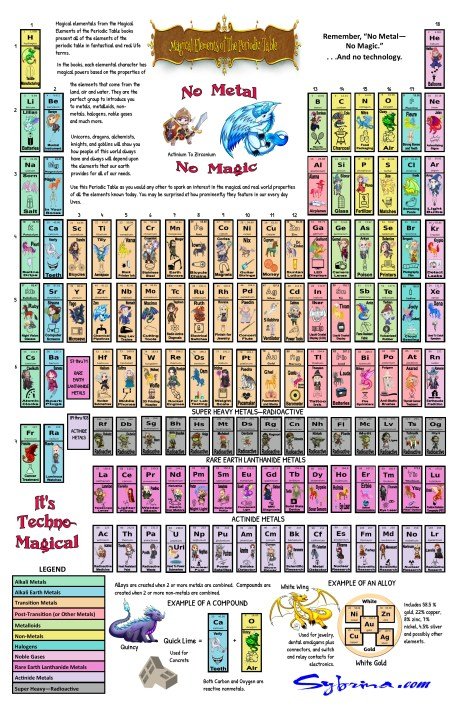
Inter-Active Elemental Fantasy-Themed Periodic Table from Magical Elements of the Periodic Table Presented Alphabetically by The Elemental Dragon Clan
Click here to use The Inter-Active Viewer for the periodic table above to learn more about the elements each elemental represents on this periodic table. Want this No Metal No Magic periodic table in a 24″ x 36″ Poster? Click here.
Sybrina Publishing Offers Fun Activities Based On The Book
Magical Elements of the Periodic Table Magical Elementals
Browse Magical Elemental Activities at MagicalPTElements or Sybrina-Publishing on TPT or Classful

Want To Hear The No Metal No Magic Song?