
Early Uses and the Reasons for Its Decline

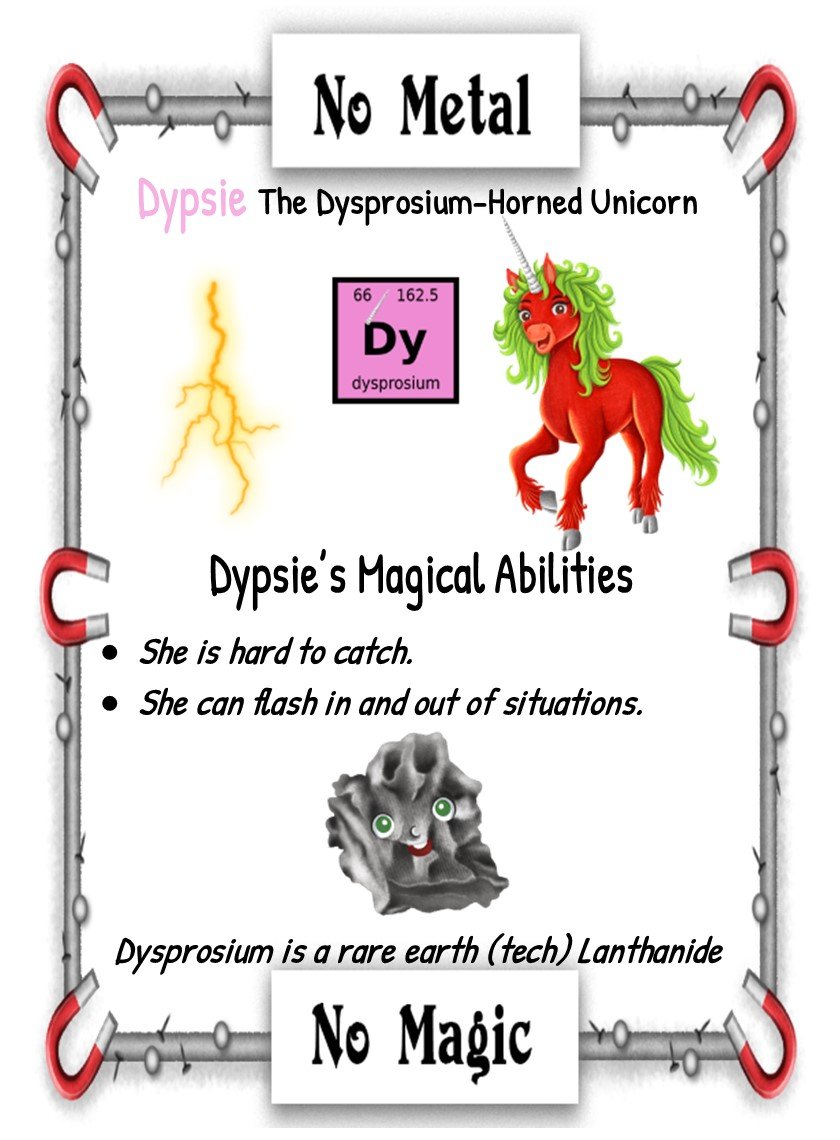
The First Uses of Dysprosium and Why It is No Longer Used for That Purpose
Dysprosium, an element with the atomic number 66, is a rare-earth metal known for its unique magnetic properties. Discovered in 1886 by French chemist Paul Émile Lecoq de Boisbaudran, dysprosium was initially hailed as a revolutionary element with promising applications across multiple industries. However, over time, its extensive use has diminished for several reasons. This article explores the early uses of dysprosium and delves into the factors that led to its decline in those areas.
Early Uses of Dysprosium:
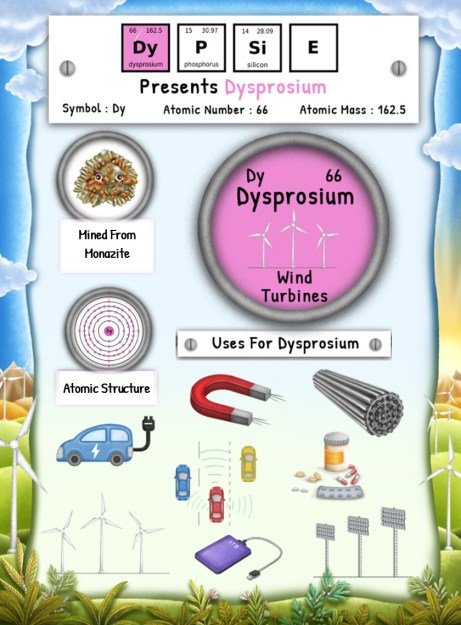
· Magnets and Magnetic Alloys:One of the first major applications of dysprosium was in magnets. Dysprosium-rich magnets exhibited enhanced magnetic properties and were especially valuable for designing high-strength permanent magnets. These magnets found applications in various industries, including electric motors, hybrid vehicles, computer hard drives, and audio equipment.
· Lighting and Color Displays:Dysprosium also played a crucial role in color display technologies, such as cathode-ray tubes (CRT) used in earlier televisions and computer monitors. By adding dysprosium as a phosphor material, these displays could generate bright red colors. Additionally, dysprosium was employed to create vibrant colors in neon signs and other lighting applications.
Reasons for Decline in Use:
· Environmental Impact:One of the primary concerns surrounding the use of dysprosium was its impact on the environment. Dysprosium mining and extraction processes can involve significant amounts of energy consumption and produce vast amounts of waste and pollution. Its extraction also results in the release of harmful byproducts into the environment, including radioactive isotopes. As environmental concerns grew, industries began seeking alternative materials with less ecological impact, leading to a decline in the use of dysprosium.
· Cost and Availability:Rare-earth elements, including dysprosium, have inherent scarcity, making their extraction and production costly. As demand increased and global supply became uncertain, the price of dysprosium soared. This drove industries to explore alternative solutions, migrating to other materials or seeking ways to reduce the overall dependence on dysprosium.
· Substitution with Other Elements:As researchers focused on finding more sustainable and cost-effective alternatives, they discovered that some applications originally utilizing dysprosium could be substituted with other materials or technologies. For example, advancements in magnet manufacturing led to the development of neodymium-based magnets, which offered similar strength and reduced reliance on dysprosium.
Current Uses:While there has been a decline in the use of dysprosium in certain applications, it still finds relevance in specific industries. Its exceptional thermal stability makes it useful in nuclear reactors as control rod materials, preventing overheating by absorbing excess neutrons. Dysprosium is also employed in certain lasers and phosphors used in lighting applications.
The first uses of dysprosium showcased its remarkable properties and potential across various industries. Nevertheless, factors like environmental concerns, cost, and availability drove industries to explore alternative materials and technologies. Despite its diminished use in some fields, dysprosium still finds niche applications where its unique properties cannot be easily replaced. Going forward, scientists and engineers continue to seek sustainable and efficient solutions, ensuring a responsible and balanced approach towards the use of rare-earth elements.
This article is brought to you by Sybrina Durant, the author of the middle grade picture book, Magical Elements of the Periodic Table Presented Alphabetically By The Elemental Unicorns. Learn More. In that book Dysprosium is presented by the unicorn, Dypsie.

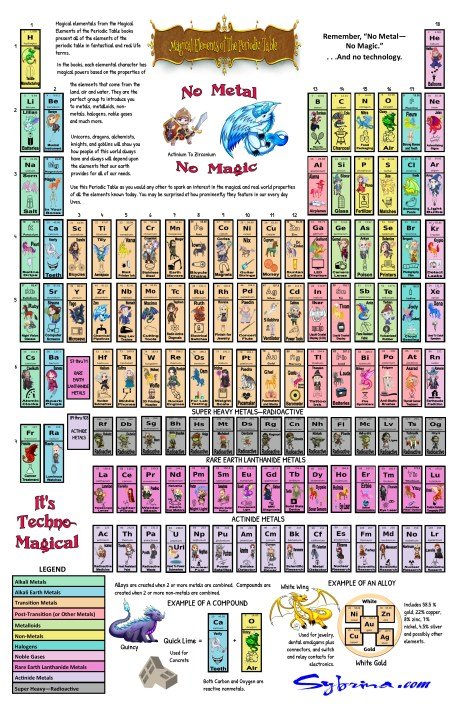
Inter-Active Elemental Fantasy-Themed Periodic Table from Magical Elements of the Periodic Table Presented Alphabetically by The Elemental Dragon Clan
Click here to use This Inter-Active Viewer To Learn More About The Elements Each Elemental Represents On This Periodic Table. Want this in a 24″ x 36″ Poster? Click here.
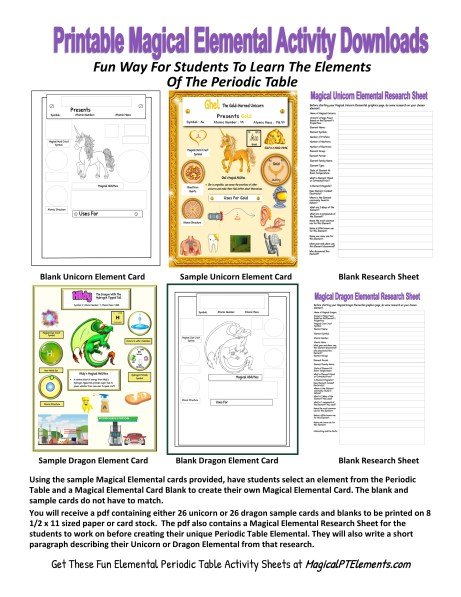
Sybrina Publishing Offers Fun Activities Based On The Book
Magical Elements of the Periodic Table Magical Elementals
Browse Magical Elemental Activities at MagicalPTElements or Sybrina-Publishing on TPT or Classful
Want To Hear The No Metal No Magic Song?